
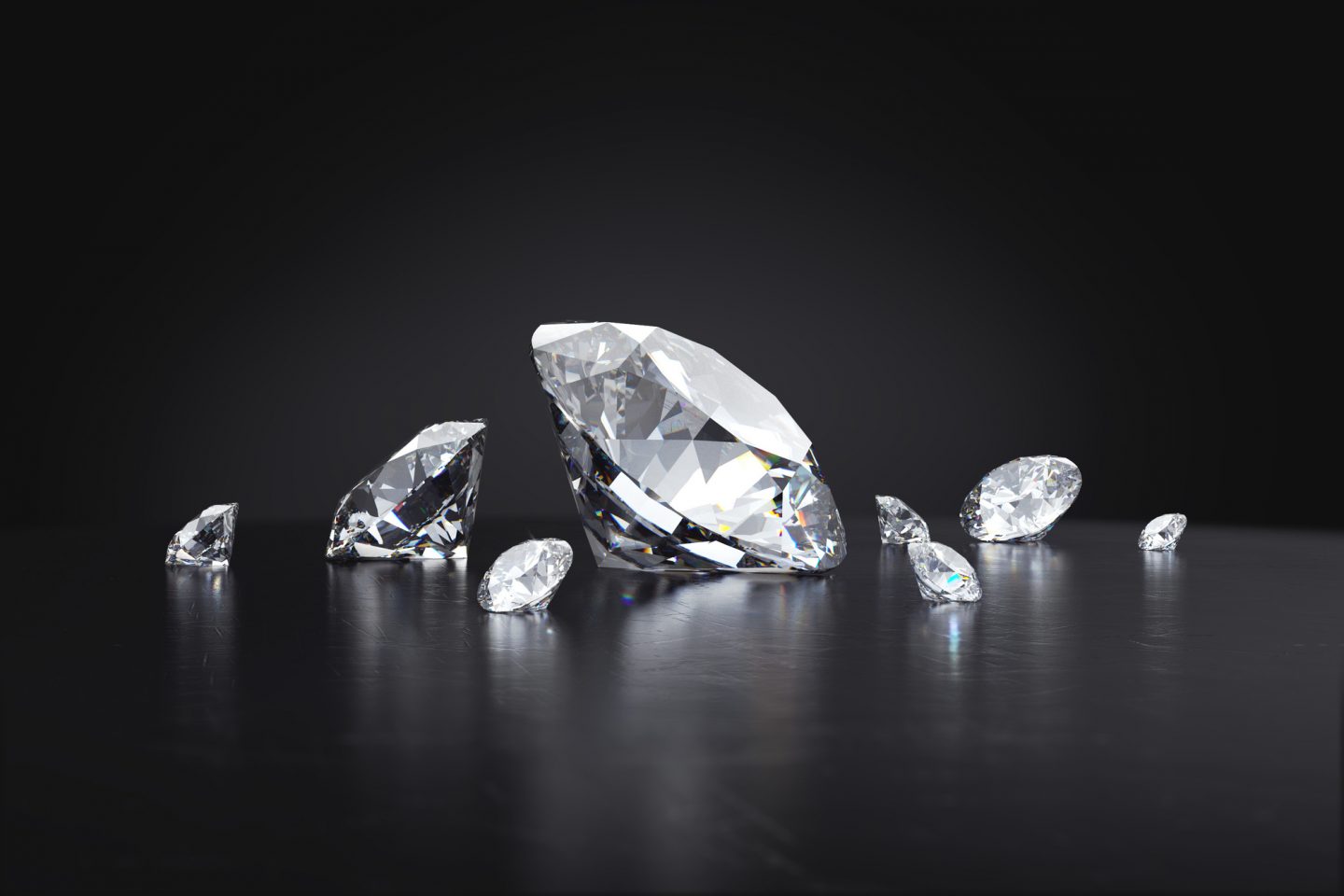
Introduction to Lab Diamonds
Lab diamonds have been making waves in the jewelry world, and Parramatta is no exception. But what exactly are lab diamonds, and why should you care about them? In this guide, we’ll unravel the mystery behind these sparkling gems, explore why they might be your best choice, and dive into the local market to help you find the perfect lab diamond.
What Are Lab Diamonds?
At first glance, lab diamonds look exactly like natural diamonds. They’re both made of carbon and exhibit the same physical and chemical properties. The key difference? Lab diamonds Parramatta are created in controlled environments using advanced technology. While natural diamonds are formed over billions of years deep within the Earth, lab diamonds are crafted in just a few weeks, thanks to high-pressure, high-temperature (HPHT) or chemical vapor deposition (CVD) methods.
The Science Behind Lab Diamonds
Lab diamonds start with a tiny diamond seed. By replicating the conditions under which natural diamonds form, scientists can grow these seeds into full-sized diamonds. HPHT mimics the intense pressure and temperature found underground, while CVD uses a carbon-rich gas to deposit diamond layers onto the seed. Both methods produce diamonds that are chemically identical to their natural counterparts.
Why Choose Lab Diamonds Over Natural Diamonds?
Ethical Considerations
One of the biggest selling points of lab diamonds is their ethical pedigree. Natural diamond mining has been linked to human rights abuses and environmental damage. Lab diamonds, however, offer a conflict-free alternative that ensures the gems you buy have been produced with respect for both people and the planet.
Environmental Impact
Mining for natural diamonds involves significant environmental disruption. It often requires extensive land excavation and can lead to habitat destruction. Lab diamonds, on the other hand, are created with minimal environmental footprint. Choosing lab diamonds is a choice for sustainability and environmental responsibility.
Cost Efficiency
Lab diamonds typically cost 20-40% less than their natural counterparts. This cost efficiency doesn’t mean compromising on quality. You can often get a larger, higher-quality diamond for the same price as a smaller, lower-quality natural diamond. It’s a win-win situation!
The Lab Diamond Market in Parramatta
Overview of the Market
In Parramatta, the market for lab diamonds is growing rapidly. With increasing awareness of the benefits of lab-grown gems, more and more local jewelers are offering these stones. Whether you’re looking for an engagement ring, a necklace, or just a beautiful piece of jewelry, you’ll find a range of options to suit your taste and budget.
Popular Retailers in Parramatta
Local Jewelry Stores
Several local jewelers in Parramatta have embraced the lab diamond trend. Stores like Parramatta Jewelers and Diamond Boutique offer a curated selection of man made diamonds. Shopping locally allows you to see and feel the diamonds before making a purchase, plus you get personalized service from knowledgeable staff.
Online Options
If you prefer shopping online, there are numerous reputable websites that specialize in lab diamonds. Sites like Brilliant Earth and Clean Origin offer extensive collections and detailed information on each diamond. Just make sure to check reviews and ensure the retailer provides a certification with each purchase.
How to Select the Perfect Lab Diamond
Understanding the 4 Cs
When selecting a lab diamond, you’ll want to consider the 4 Cs: Carat weight, Cut quality, Color, and Clarity. These factors will determine the overall appearance and value of the diamond.
Carat Weight
Carat weight measures the size of the diamond. Larger diamonds are rarer and more expensive, but you can find beautiful options at various carat weights. Remember, a bigger diamond doesn’t always mean better; sometimes, a well-cut smaller diamond can sparkle just as much.
Cut Quality
The cut of a diamond affects how it reflects light. A well-cut diamond will exhibit brilliance and sparkle. Look for diamonds that are cut to precise proportions and angles to maximize their visual appeal.
Color Grades
Lab diamonds come in various colors, ranging from colorless to shades of yellow or brown. The less color a diamond has, the more valuable it generally is. However, many people prefer diamonds with a hint of color, which can add character and warmth.
Clarity
Clarity refers to the presence of internal or external flaws, known as inclusions and blemishes. A diamond with fewer imperfections will be more valuable. However, many inclusions are microscopic and not visible to the naked eye.
Certification and Grading Systems
Make sure your lab diamond comes with certification from a reputable grading organization. This certification verifies the diamond’s quality and provides detailed information about its characteristics. Look for certifications from organizations like the Gemological Institute of America (GIA) or the International Gemological Institute (IGI).
Benefits of Buying Lab Diamonds Locally
Personalized Service
Buying a lab diamond from a local store in Parramatta offers personalized service that online shopping can’t match. Jewelers can help you select the perfect stone based on your preferences and provide insights into the diamond’s quality.
Supporting Local Businesses
Shopping locally supports small businesses and contributes to the local economy. It’s a way to invest in your community while getting a high-quality product.
Convenience and Trust
Local jewelers are often more accessible for follow-up services, such as resizing or repairs. Plus, you can build a relationship with the jeweler, who can offer advice and answer any questions you might have.
Lab Diamonds vs. Natural Diamonds: A Comparative Analysis
Durability and Longevity
Both lab and natural diamonds are equally durable and long-lasting. They share the same hardness level, making them ideal for everyday wear. The difference is mostly in their origin and cost.
Aesthetic Differences
Visually, lab diamonds are indistinguishable from natural diamonds. Both types of diamonds can exhibit exceptional brilliance and beauty. The choice between the two often comes down to personal preference and values.
Caring for Your Lab Diamond Jewelry
Cleaning and Maintenance Tips
Lab diamond jewelry requires regular cleaning to maintain its sparkle. Use a mild soap solution and a soft brush to clean the diamond, and avoid harsh chemicals. Regular professional cleanings can also keep your jewelry in top shape.
Storing Your Lab Diamond Jewelry
Store your lab diamond jewelry in a soft pouch or a separate compartment in your jewelry box to prevent scratching. Avoid storing it with other jewelry pieces that might cause damage.
The Future of Lab Diamonds
Technological Advancements
The technology used to create lab diamonds is constantly evolving. Advances in both HPHT and CVD methods are leading to even higher-quality diamonds and more efficient production processes.
Market Trends
As awareness grows and technology improves, the market for lab diamonds is expected to expand. More consumers are choosing lab diamonds for their ethical and environmental benefits, driving innovation and variety in the market.
Conclusion
Lab diamonds are transforming the jewelry industry, offering an ethical, environmentally friendly, and cost-effective alternative to natural diamonds. In Parramatta, you have a range of options to explore, whether you prefer shopping locally or online. By understanding the key factors in selecting a lab diamond and recognizing the benefits of supporting local businesses, you can make an informed choice that aligns with your values and preferences. Happy diamond hunting!
You may also like
-
Lab Diamond Earrings Guide: Smart Buying Tips
-
The Smart Sparkle: A New Standard in Engagement Jewelry
-
Buy Lab Made Diamonds Online: Why Lab Made Diamonds Are the Future of Jewelry
-
Lab Grown Diamond Initials A New Take on Personal Jewelry
-
Lab Grown Diamonds Auckland: A Shift Towards Ethical Brilliance