
Introduction
Platinum engagement rings featuring lab-grown diamonds are rapidly becoming a preferred choice for modern couples. Combining timeless elegance with ethical sourcing and advanced technology, these rings represent a shift in how people view luxury and commitment. Today’s buyers are not only looking for beauty but also value sustainability, affordability, and transparency—qualities that platinum and lab-grown diamonds deliver exceptionally well.
What Makes Platinum Ideal for Engagement Rings
Platinum is one of the most durable and prestigious metals used in jewelry. Its naturally white color enhances the brilliance of diamonds and does not fade over time. Unlike white gold, platinum does not require rhodium plating, making it a low-maintenance option for everyday wear.
Another key advantage is its strength. Platinum is dense and resistant to wear, which means it securely holds diamonds in place for decades. This makes it especially suitable for engagement rings, which are worn daily and often passed down through generations. Additionally, platinum is hypoallergenic, making it a great choice for individuals with sensitive skin.
Understanding Lab-Grown Diamonds
Lab-grown diamonds are real diamonds created in controlled environments using advanced technological processes. They have the same physical, chemical, and optical properties as mined diamonds. The two primary methods used to create them are High Pressure High Temperature (HPHT) and Chemical Vapor Deposition (CVD).
These diamonds are virtually indistinguishable from natural ones, even under professional examination without specialized tools. They are graded using the same criteria as mined diamonds—cut, color, clarity, and carat weight—ensuring consistency and quality.
Ethical and Environmental Benefits
One of the most compelling reasons to choose lab-grown diamonds is their ethical advantage. Traditional diamond mining has historically been associated with environmental damage and social concerns. While improvements have been made in the industry, lab-grown diamonds offer a more transparent and conflict-free alternative.
Environmentally, lab grown diamonds typically require less land and water use compared to mining. Many manufacturers are also shifting toward renewable energy sources, further reducing their carbon footprint. When paired with platinum, which is recyclable, the overall ring becomes a more sustainable choice.
Cost-Effectiveness Without Compromise
Lab-grown diamonds are generally 30–50% more affordable than natural diamonds of similar quality. This allows buyers to select larger stones or higher clarity grades within the same budget. For couples looking to maximize value without sacrificing appearance, this is a major advantage.
When set in platinum, the ring still maintains a luxurious and high-end look. The combination of a premium metal and a more affordable diamond creates an ideal balance between cost and elegance.
Design Versatility and Customization
Platinum’s strength allows jewelers to craft intricate and delicate designs that may not be possible with softer metals. Whether you prefer a classic solitaire, a halo setting, or a vintage-inspired design, platinum offers flexibility and durability.
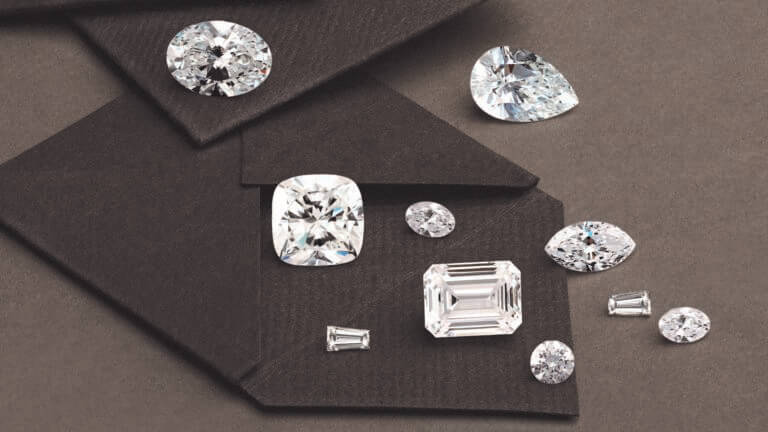
Lab-grown diamonds are available in a wide range of shapes, including round, oval, princess, emerald, and cushion cuts. Some buyers even opt for colored lab-grown diamonds, such as pink or blue, to create a unique and personalized ring. This level of customization ensures that each ring reflects the couple’s individual style.
Durability and Long-Term Maintenance
Platinum engagement rings are built to last a lifetime. Over time, platinum develops a soft patina that gives it a slightly matte, antique appearance. Many people appreciate this natural aging process, though the ring can be polished to restore its original shine if desired.
Lab-grown diamonds are just as hard and durable as natural diamonds, ranking 10 on the Mohs scale of hardness. This makes them resistant to scratches and suitable for everyday wear. Routine cleaning with mild soap and water helps maintain their sparkle, while occasional professional inspections ensure the setting remains secure.
Changing Perceptions and Modern Preferences
While traditional diamonds have long been associated with rarity and heritage, lab-grown diamonds are gaining widespread acceptance. Younger generations, in particular, are more inclined to prioritize sustainability, ethics, and value over tradition alone.
Lab-grown diamonds are no longer seen as inferior alternatives. Instead, they are viewed as innovative and responsible choices that align with contemporary values. This shift in perception is driving their increasing popularity in the engagement ring market.
Certification and Buying Considerations
When purchasing a lab-grown diamond, it is important to ensure it comes with certification from a reputable gemological laboratory. These certifications provide detailed information about the diamond’s cut, color, clarity, and carat weight.
Buyers should also consider factors such as ring design, setting style, and overall craftsmanship. Choosing a trusted jeweler ensures both quality and authenticity, giving peace of mind with such an important purchase.
Conclusion
Platinum engagement rings with lab-grown diamonds offer a perfect blend of tradition, innovation, and responsibility. They combine the enduring strength and beauty of platinum with the ethical and cost advantages of lab-grown diamonds. As more couples seek meaningful and sustainable ways to celebrate their love, this combination stands out as a thoughtful and modern choice.
You may also like
-
Buy Lab Made Diamonds Online: Why Lab Made Diamonds Are the Future of Jewelry
-
Lab Grown Diamond Initials A New Take on Personal Jewelry
-
Lab Grown Diamonds Auckland: A Shift Towards Ethical Brilliance
-
Discovering the Allure of Earrings in Malaysia: A Fresh Take on Man Made Diamonds
-
Diamantes libres de conflicto y man made diamonds